On a full load of clothing bales, the bill of lading (BOL) is the one document that decides who pays if something goes wrong. It is the carrier's receipt for the cargo, the contract of carriage, and, for ocean shipments, often the document your customs broker and bank need before they will release anything. Checking it carefully takes ten minutes and can save you a disputed claim. This guide covers what to look for on a BOL for a 40,000 lb bale shipment, whether it moves by truck or by container.
Two Kinds of Bill of Lading
For a domestic full truckload, the BOL is a straight bill of lading: it names the shipper, the consignee (you) and the carrier, and the driver signs it at pickup. For a container moving overseas, the carrier or forwarder issues an ocean bill of lading, and that one comes in a few forms:
- ·Original (negotiable) BOL: the paper originals must be surrendered at destination to release the cargo. Common when payment terms depend on documents.
- ·Sea waybill: not negotiable and no originals to surrender, so release is faster and there is nothing to lose in the mail.
- ·Telex or express release: the originals are surrendered at origin and the carrier releases the cargo electronically at destination.
Which one you use is usually set by your payment terms and your forwarder. Confirm it before the container sails, not after it arrives.
The Header Details That Must Match
Most BOL problems are simple mismatches between documents. Check these against your order confirmation, invoice and packing list:
- ·Consignee name and address, spelled exactly as it appears on your import registration. A typo can hold a container at the port.
- ·Notify party: who the carrier calls when the cargo arrives. This is often your customs broker.
- ·Port of loading and port of discharge: confirm both are the ports you booked.
- ·Vessel, voyage and booking number (ocean) or carrier and pro number (truck).
- ·Container and seal numbers: these should be recorded on the BOL and on the packing list.
The Cargo Description
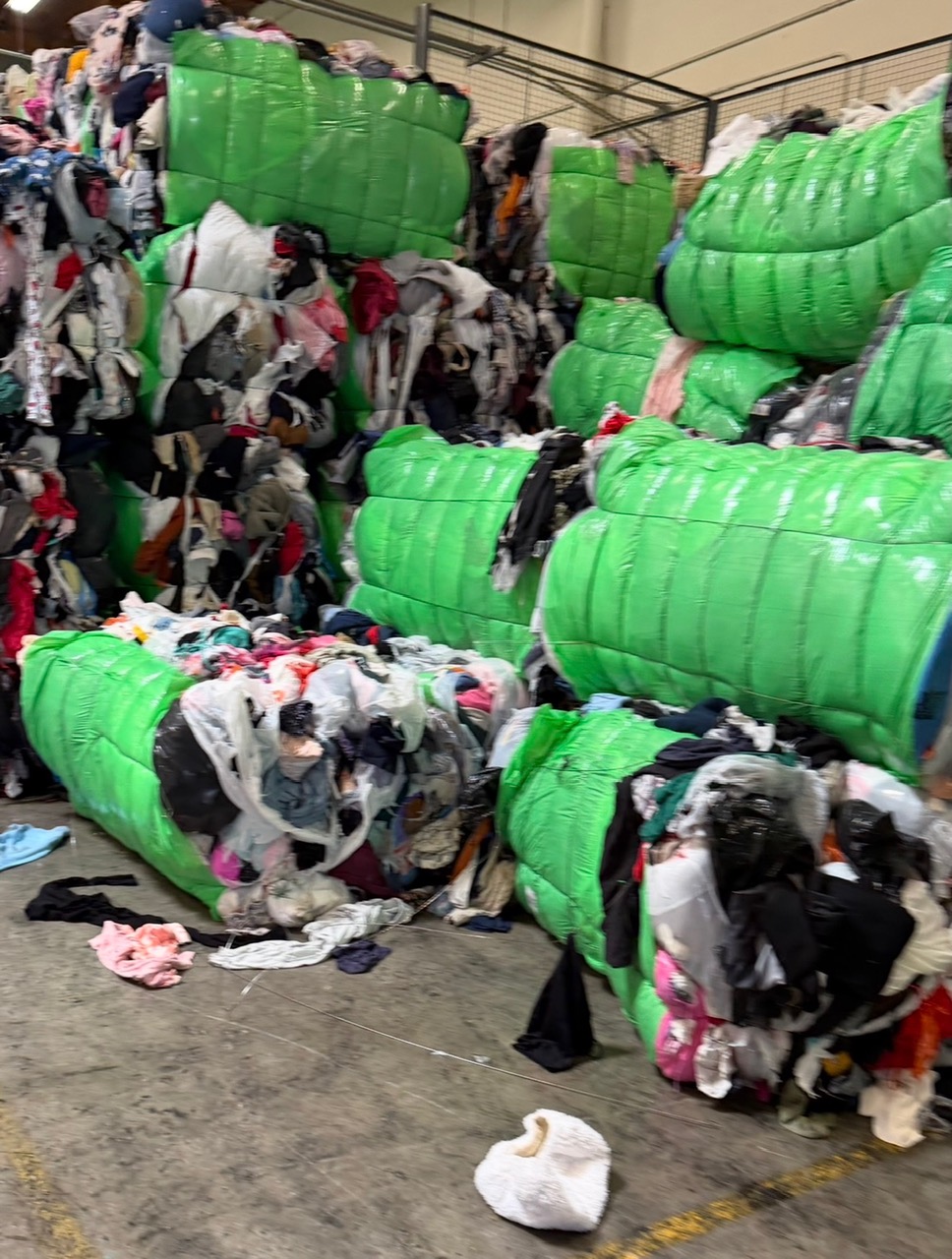
The goods description should be plain and consistent with your invoice and customs paperwork: used clothing, in bales. It should state the number of bales and the gross weight. Vague or inconsistent wording is a common cause of customs questions, and your customs broker will want the description to line up with the classification they file. If your country has specific rules for used clothing, ask your broker what wording they need on the BOL before the booking is finalised.
Pay attention to how the weight is stated. Bale weights are nominal, so gross weight on the BOL is the figure the carrier and port will use. Make sure it is consistent with the packing list and with any weight limits on the trailer or container.
Clean vs. Claused: Read the Remarks
A clean bill of lading means the carrier received the cargo in apparent good order. A claused one has remarks such as damaged packaging or broken straps. Banks and buyers often prefer clean BOLs, and a remark written at origin can complicate a later claim. Before the container or trailer is released, read the remarks box and ask about anything you do not understand.
Freight Terms and Who Pays What
The BOL shows whether freight is prepaid or collect, and that should match the terms you agreed. If you bought on terms where you arrange the ocean leg, expect to see freight collect. If the seller arranged it, expect prepaid. Either way, confirm that origin and destination charges are described the same way on your quote and your documents. Our export page and the container export guide explain how an export order is structured.
At Delivery: Protect Your Claim
When the load arrives, the BOL becomes your evidence. Before the driver leaves or the container is opened:
- ·Compare the seal number on the doors against the BOL, and photograph it before breaking it
- ·Count the bales against the BOL as they come off
- ·Note broken straps, torn wrap, wet or crushed bales
- ·Write any shortage or damage on the BOL before signing, and keep your own copy
- ·Report concealed damage to the carrier promptly and in writing, following the deadlines in their terms
A Short Pre-Shipment Checklist
- ·Draft BOL reviewed before the vessel sails or the trailer departs
- ·Names, addresses and ports match your import paperwork
- ·Bale count, weight and description match the packing list and invoice
- ·Container and seal numbers recorded
- ·BOL type (original, waybill, telex release) agreed with your forwarder and bank
- ·Freight terms match your quote
Requirements vary by country and carrier, so confirm specifics with your customs broker and freight forwarder. RawBales sells full 40,000 lb loads to business buyers. If you are planning a load, request a quote and tell us your destination and receiving setup, or see how used clothing export containers work.