Your first container of used clothing is the one most likely to go wrong, and it usually goes wrong at the port, not at the supplier. Used goods are treated differently from new goods in many countries, and a missing certificate or a wrong product description can mean storage charges, inspections, or a rejected load. A licensed customs broker is the person who keeps that from happening. This checklist covers what to settle with your broker before you place an order.
Step 1: Find Out Whether You Can Import It at All
Some countries restrict used clothing, require an import licence, limit it to certain ports or importers, or prohibit it outright. Ask your broker these questions first:
- ·Is the import of used clothing and used shoes allowed, restricted or banned?
- ·Do I need an importer registration, licence or permit, and who issues it?
- ·Are there approved ports of entry for second-hand goods?
- ·Is a pre-shipment inspection or certificate required from the exporting country?
Get the answers in writing. Rules your broker confirmed at the start of the process are the ones to hold them to if something changes at the port.
Step 2: Get the Classification Right
Every shipment is declared under a tariff code, usually based on the international Harmonized System (HS), with your country adding its own extra digits. Used clothing is normally classified separately from new clothing, and shoes fall under a different chapter again. The code drives the duty rate, any taxes, and whether a permit applies, so confirm it with your broker rather than copying a code from a forum post or someone else's paperwork.
Describe the goods plainly and consistently on every document: used clothing, baled, unsorted, with the bale count and weight. If one document says "used clothing" and another is vaguer, customs may stop the load to ask why.
Step 3: Know the Documents Your Broker Will Need
Your supplier provides the shipping documents. Your broker uses them to file your entry. For a full-load order from RawBales, expect:
- ·Commercial invoice
- ·Packing list with bale count and weights
- ·Bill of lading
- ·Any certificate your country requires for used goods, such as fumigation or another sanitary document. Tell us up front if your destination asks for one.
Send your broker the draft documents as soon as you have them and let them check names, quantities and descriptions. A typo in the consignee name or a weight that differs between documents is far cheaper to fix before the vessel sails than after it arrives. For more on the shipping side, see how full-load freight works.
Step 4: Budget for More Than the Product Price
The price per pound is only part of what a container costs you. Ask your broker to estimate each of these so nothing surprises you at arrival:
- ·Import duty and any value-added or sales tax, and what value they are calculated on
- ·Broker fees and any per-entry or per-container charges
- ·Port handling, terminal and documentation charges
- ·Inspection or fumigation fees, if your country requires them
- ·Demurrage and detention rules: how many free days you get and what each extra day costs
- ·Inland transport from the port to your warehouse
Product pricing for raw credential clothing is covered in our guide to credential bale prices per pound; combine it with your broker's estimates to work out a realistic landed cost. Freight to your destination port is quoted separately when you submit a request.
Step 5: Plan the Arrival Before the Container Ships
Free time at the port is short, and the clock usually starts when the container is discharged, not when you are ready for it. Before you order, line up:
- ·Your broker, with your importer details already on file
- ·A trucker who can collect the container as soon as it is released
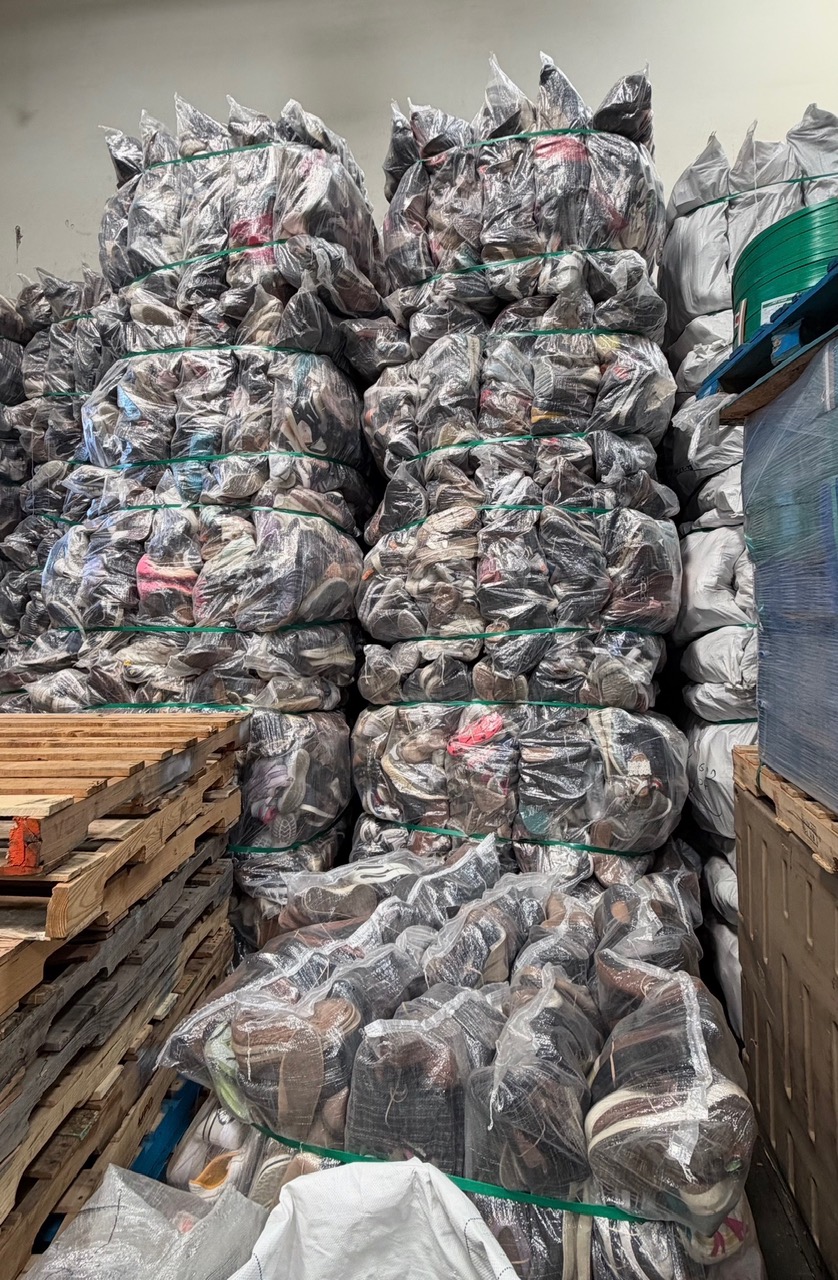
- ·A receiving dock or yard, and equipment to unload 800–1,100 lb bales
- ·Space to store and sort the load once it arrives
A 40,000 lb load is about 18 metric tons of baled goods, so unloading is a forklift or loading-dock job, not something to improvise.
Step 6: Questions to Ask Your Broker
- ·Which documents do you need from the exporter, and in what format?
- ·Is there a pre-arrival filing deadline for my country?
- ·Are used-clothing shipments commonly held or inspected at this port, and why?
- ·If my load is selected for inspection, what happens and who pays?
- ·What do you charge if clearance takes longer than planned?
What RawBales Handles and What You Handle
RawBales sells credential clothing and credential shoes to businesses by the full 40,000 lb load, sold exactly as collected. We provide the shipping documents and a freight quote to your port. Import permits, duties, taxes and customs clearance at your end are the buyer's responsibility, which is why the broker conversation should come first.
If you are new to buying this way, start with how export orders work, check the specifics for used clothing containers or used shoes containers, and read our overview of exporting by the container. Once your broker has confirmed the rules for your country, send us your destination port and the number of loads you need and we will come back with a quote.