Why Grade Names Confuse Buyers
Ask three used clothing suppliers what "Grade A" means and you may get three answers. There is no universal standard. Terms like credential, thrift-grade, cream, mixed and rag are trade shorthand, and each operation draws the lines a little differently. What matters is knowing what has been removed from a bale before it reaches you, because that decides what you can still earn from it.
Below is how the main terms are generally used across the industry. Always confirm the definition with your supplier before you compare prices, since a low rate on a heavily picked-over grade can cost you more in the end than a higher rate on an untouched one.
The Main Grades, From Least to Most Processed
Credential (raw)
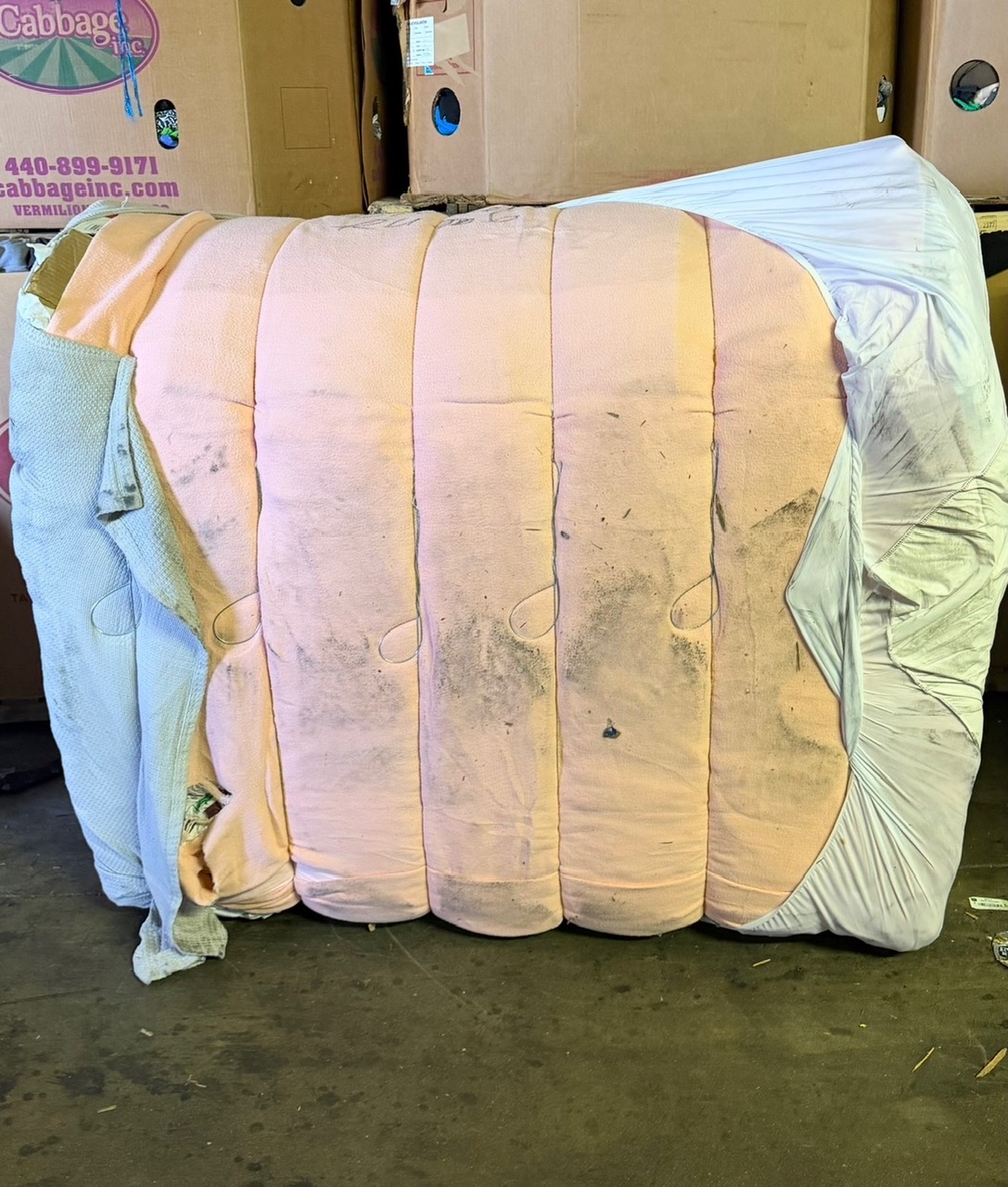
Credential clothing is donated clothing sold as collected: no sorting, no grading, nothing pulled. It is the starting point for every other grade on this page. You can read the full breakdown in What Are Raw Credential Bales?
Thrift-grade
Thrift-grade generally describes product that has had some sorting or picking before it was baled, often to remove obvious trash and sometimes the best items, leaving clothing suited to resale at thrift-store price points. The exact level of picking varies by supplier, which is why the term needs a definition every time you use it.
Cream
Cream is the top slice: the best-condition, best-brand, in-demand pieces pulled out during sorting. Cream is what sorters chase, and it is usually sold on its own at a much higher rate per pound than the rest of the run.
Mixed / Grade B
After cream comes out, the everyday wearable clothing that remains is often called mixed or second-grade product. It is the volume grade that moves into export markets and general resale.
Rags and fiber
Items that are stained, torn or worn past wearing end up as rags or fiber. They are sold by weight for wiping cloths and industrial reuse. Even here, natural-fiber content such as cotton can matter to the buyer.
What Each Grade Means for Your Margin
- ·Raw credential: lowest processing done by the seller, so the widest range of outcomes. You capture the cream, the mixed and the rag stream yourself, but you need sorting labor and space.
- ·Thrift-grade: less labor for you, but part of the upside was taken before you bought. Value depends on how the supplier defines it.
- ·Cream: a premium price for a narrow, high-quality slice. Good if you sell direct to resellers and do not want to sort.
- ·Mixed and rag: volume products with thinner per-pound margins, where freight and shrinkage decide profit.
We compare the economics in more depth in Raw vs. Graded Bales, and the sorting workflow shows how operations pull each grade out of a raw load.
Questions to Ask Before You Buy Any Grade
- ·What exactly was removed before baling, and by whom?
- ·Is the bale a single category or a mixed run?
- ·How are bales built and weighed, and what is the load weight?
- ·Is the price per pound, and does it include freight?
- ·What is the supplier's process if a load does not match the description?
Where RawBales Fits
RawBales sells raw credential clothing only, in full 40,000 lb loads to business buyers. Our current rate is $0.55–$0.64 per lb, which works out to $22,000–$25,600 per load before freight. If you sort in volume, that is the grade with the most room to work with. Overseas buyers can see how loads ship on our export page and in the container guide, and you can request a quote for a firm all-in number including freight.