The price per pound or per kilo on a quote is only one line of what a container of used clothing really costs you. The number that decides whether a load makes money is the landed cost per kilo: everything you spend to get the goods onto your own floor, divided by the weight you actually received. This guide shows how to build that figure line by line so you can compare suppliers and routes on equal terms.
Start With the Weight You Are Buying
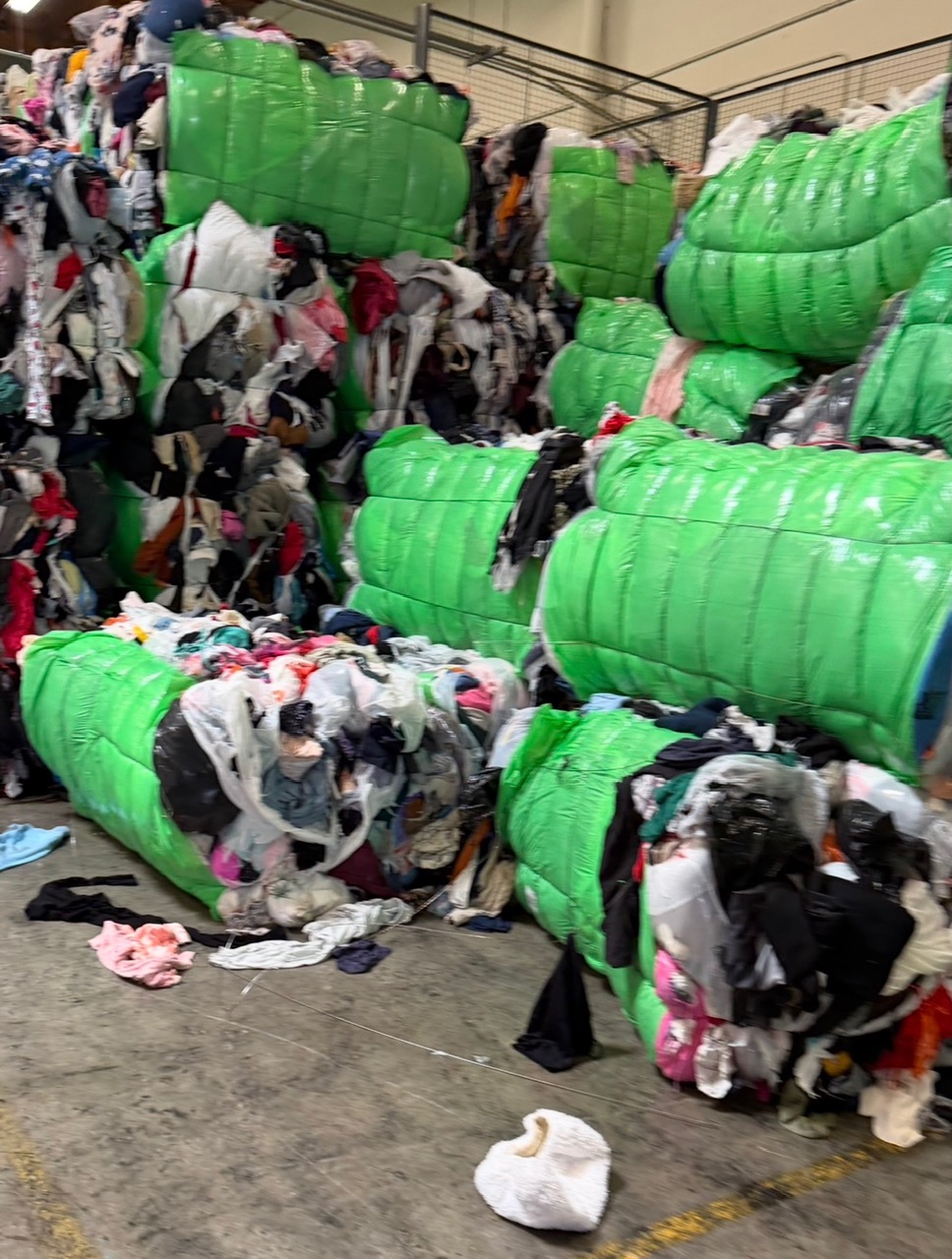
Everything is divided by weight, so get the weight right first. A full RawBales load is 40,000 lbs, which is roughly 18,144 kg. Clothing loads are currently priced at about $0.53–$0.60 per lb, which is $1.17–$1.32 per kg. That is the goods cost only. Use the net bale weight for the goods line and keep the gross weight (bales plus wrap, straps and container) for the freight lines, because carriers and customs treat them differently.
The Cost Lines That Make Up Landed Cost
- ·Goods cost: the invoice value of the bales.
- ·Origin charges: loading, export documents and trucking to the port, depending on the Incoterm you agreed.
- ·Ocean freight: the container rate to your port of discharge, plus any surcharges your forwarder lists.
- ·Insurance: cargo cover for the value of the goods plus freight.
- ·Destination port charges: terminal handling, documentation, storage or demurrage if the container sits.
- ·Duties and taxes: whatever applies to the classification your customs broker files.
- ·Broker and inspection fees: clearance, any required inspections or certificates.
- ·Inland delivery and unloading: haulage from the port to your warehouse and the labor to empty the container.
- ·Financing and bank charges: transfer fees, letter of credit costs or interest on the money tied up in transit.
Which lines you pay depends on the term of sale. If you are unsure, our guide to FOB, CFR and CIF explains what each term includes, so you do not count a cost twice or miss one entirely.
The Formula
Add every line above into one total in your own currency, then divide by the net kilos received:
Convert foreign-currency lines using the rate you actually paid, not the rate on the day you got the quote. Exchange movement over a six-week shipment can be larger than the margin on the load.
Do Not Forget Yield
Landed cost per kilo of raw product is not the same as cost per kilo of what you can sell. Raw credential clothing includes items that go to rag, items that sell as thrift grade and a smaller share of the better pieces. If you sort before selling, divide your total landed cost by the saleable kilos in each grade, or at least weight the cost across grades by the value you expect from each. Our guides on sorting credential bales and used clothing grades explain what ends up where. Track the real yield from your first loads and replace the estimate with your own numbers.
Common Mistakes
- ·Comparing a delivered-to-port quote against an ex-warehouse quote as if they were the same thing
- ·Leaving out destination charges, which are often listed separately and paid by the consignee
- ·Ignoring storage and demurrage when paperwork delays clearance
- ·Using the quoted weight rather than the weight you actually receive and count
- ·Assuming duty rates for your country without confirming the classification and rate with a broker
Build a Reusable Template
Put each cost line in a spreadsheet column, with one row per load. Fill in the quote figures before you order, then overwrite them with actual invoices when the shipment closes. After a few loads you will see which lines drift from the quote, and that is where to negotiate or change your route. Our customs-broker checklist lists the questions to put to your broker so the duty and clearance lines are firm before you commit.
Work Backward From Your Selling Price
The same arithmetic runs in reverse. Take the average price per kilo you expect to achieve after sorting, subtract your handling and selling costs, and the remainder is the most you can afford to land the goods for. If your estimated landed cost sits above that figure, change the shipment (route, term, timing) rather than hoping the margin appears.
Rules, duties and fees differ by country, so verify the details with your customs broker and forwarder. RawBales sells full 40,000 lb loads to business buyers. See how export orders work, review the used clothing export containers page, or request a quote with your destination port.