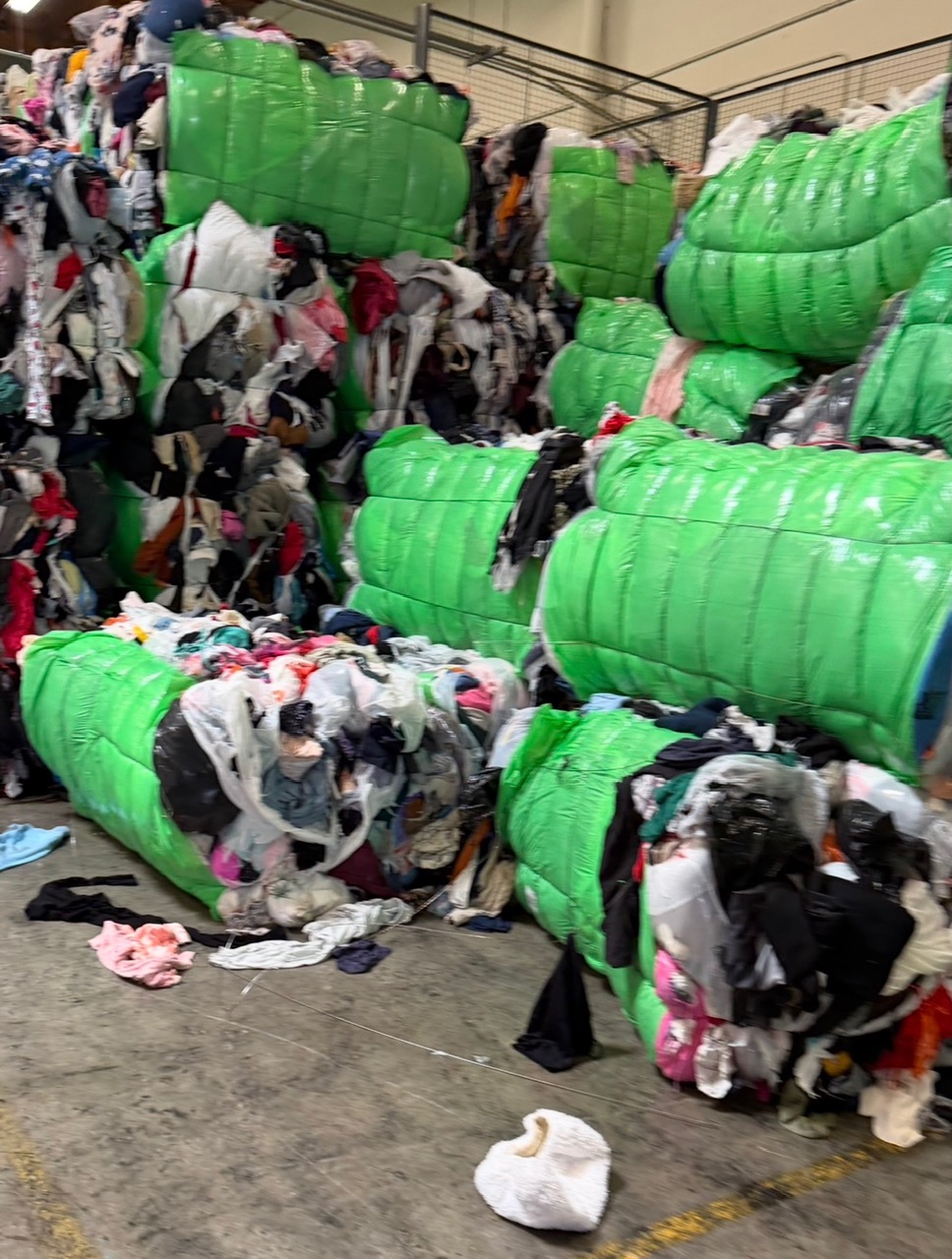
Buying used clothing by the bale means paying for cargo you cannot fully see until it arrives. That makes the supplier, not the product, the biggest risk in the deal. A reliable supplier gives you consistent grades, honest paperwork and a load that arrives as described. An unreliable one gives you excuses. This guide covers how to vet a bale supplier before you send money, the questions worth asking, and the red flags that should make you walk away.
Start With What They Actually Sell
Many disputes begin with two sides using the same word for different things. Before anything else, make the supplier define the product in plain terms. Ask what grade the bale is, whether anything was removed before baling, and what they mean by "credential" or "mixed". Our guides on used clothing grades and raw versus graded bales give you the vocabulary, so you can tell when an answer is specific and when it is marketing.
A good supplier can explain, without hedging, where the goods come from, whether they are sorted or raw, and what the typical bale contains. A supplier who answers every question with "premium quality" and nothing else is telling you they either do not know or do not want to say.
Questions to Ask Before You Order
- ·What exactly is in the bale? Grade, category (clothing only or mixed) and whether any pulling or sorting happened.
- ·What is the bale weight and count per load? Bale weights are nominal, so ask how the load total is documented.
- ·What is the minimum order? Know whether you are buying a full container or truckload, and what that means for your cash and storage.
- ·How is the load packed and wrapped? Strapping and wrap affect how well bales survive handling and transit.
- ·Which documents come with the shipment? Invoice, packing list, bill of lading and anything your destination requires.
- ·What are the payment terms, and what happens if the load is wrong? Ask for the claims process in writing.
- ·Who handles loading and transport? Confirm which party books freight and where responsibility changes hands. See our explainer on FOB, CFR and CIF.
Red Flags That Should Slow You Down
- ·Prices far below everyone else. Used clothing is a commodity. A price that undercuts the market by a wide margin usually means a different grade than you assume, or no goods at all.
- ·Pressure to wire money immediately. Real suppliers expect questions. Urgency, "only one load left" and refusal to put terms in writing are classic warning signs.
- ·Vague or shifting product descriptions. If the grade changes between the first message and the invoice, stop.
- ·No business identity. A legitimate seller has a registered business name, a working website, a business email domain and a phone number that gets answered.
- ·Payment only to a personal account or by untraceable methods. Pay a business account in the name on the invoice.
- ·Reluctance to discuss documents. A supplier who cannot say what paperwork travels with the load will not help you at customs either.
- ·Stock photos. If the images look like they were pulled from another site, they may have been. Ask for photos that show the supplier's own facility and bales.
How to Verify a Supplier
You do not need special tools. A few basic checks catch most problems:
- ·Confirm the business exists with the relevant state or national company registry, and check that the name matches the invoice and payment account.
- ·Search the company name and any email address along with words like "scam" or "review", and read results critically rather than counting stars.
- ·Ask for references from other wholesale buyers and actually contact them. A supplier who has shipped before should be able to offer at least one.
- ·Ask your freight forwarder or customs broker whether they have worked with the supplier. They see who ships clean loads.
- ·Ask for a sample pro forma invoice and packing list so you can see how they document a shipment before any money moves.
Check the Terms, Not Only the Price
Compare quotes on the same basis. One supplier quoting ex-warehouse and another quoting delivered are not comparable until you add freight, insurance and port charges to the first. Our guide to landed cost per kilo shows how to put every quote on a single line. Also confirm what the bill of lading will say; our bill of lading checklist lists what to verify before you sign anything.
Plan for Things Going Wrong
Even good suppliers have bad loads occasionally, and carriers damage freight. What separates a professional supplier is how the problem is handled. Before you order, agree on how a shortage, wrong grade or damaged load is reported, how quickly, and what evidence is needed. Take photos at unloading, note the seal number and any damage on the delivery paperwork, and keep every message. Marketing promises count for little; written terms and documents are what you can rely on.
What RawBales Does
We keep the model simple so there is less to vet. RawBales sells full 40,000 lb loads of raw credential clothing to business buyers only, with one product definition and no small or partial loads. You can read exactly how ordering works, see how export orders and used clothing export containers are handled, and request a load with your destination so we can quote it. Rules for importing used clothing vary by country, so confirm requirements with your customs broker before you commit.