Starting a used-clothing export business means you can receive a full container, clear it in the destination country, and sell it there. The supplier does not do the import for you. This is the sequence buyers use before they wire payment, written around a full load of raw US credential clothing.
What you are actually exporting
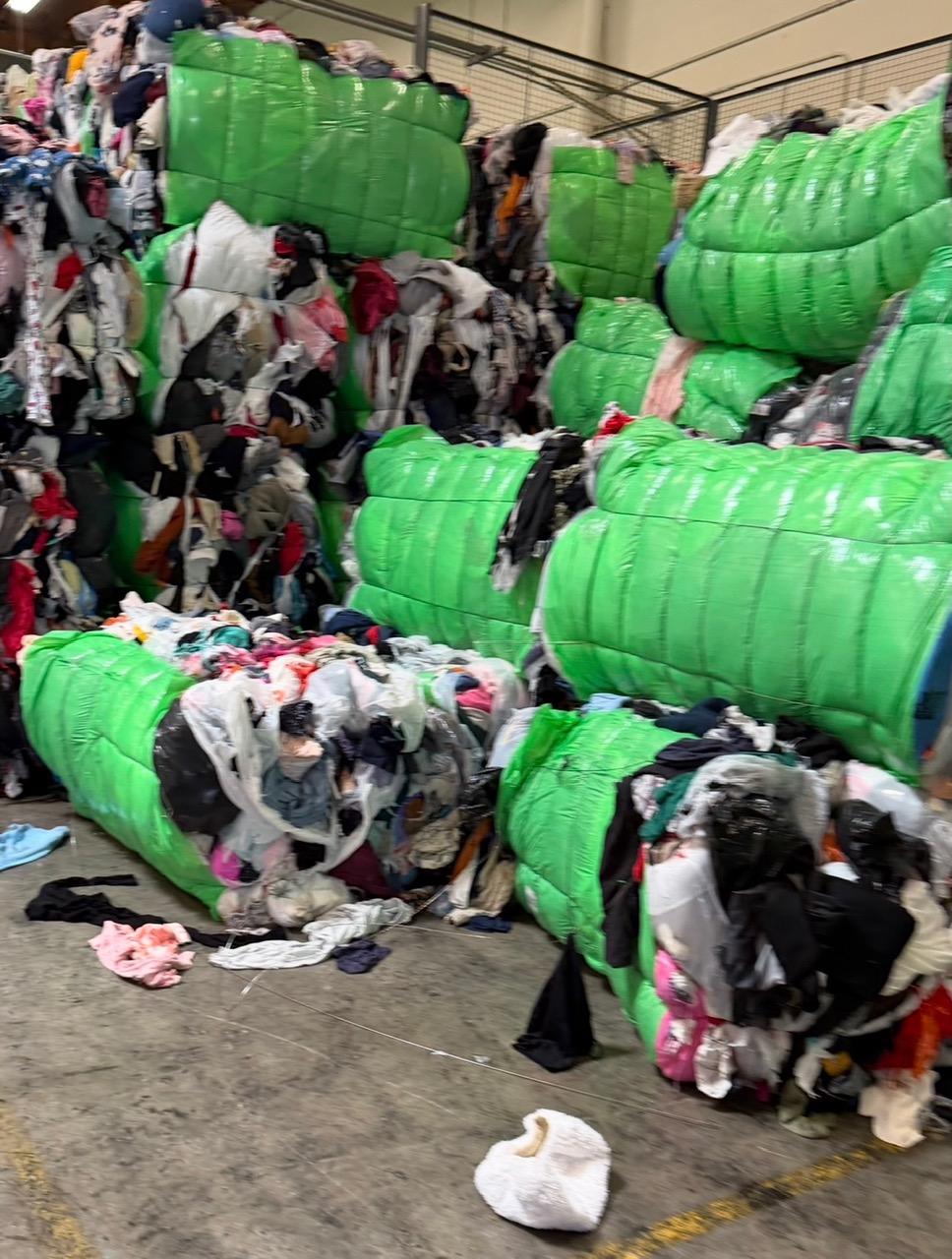
Rawbales loads raw credential clothing: unsorted charity donations, brands not guaranteed, from routes in the East Coast, West Coast, Central, and South. Export orders are full loads of 40,000 lbs or more, in bales. A 40-foot container holds about 41,000–42,000 lbs. The clothing rate is $0.53–$0.60/lb, including packaging and loading. Ocean freight is a separate quote and depends on the distance from the load's origin to the port you name.
Micro loads of 10,000 lbs are loose bags for listed US states. They are not the export pack-out. If you are buying for a port, start on the export container page and the country guides.
Line these up before you pay
- ·A customs broker in the destination country who has cleared used clothing, not just general cargo. Rules differ by country and they change. This site does not state those rules. The broker checklist is the question list.
- ·A named port and a plan for inland haulage after it. Some countries on the export pages are reached through a neighboring port and then by road.
- ·A landed-cost sheet with clothing, freight, insurance, duties, port charges, and inland delivery on separate lines. Use the per-kilo worksheet. The container cost guide covers the clothing line.
- ·Incoterms written with a place. FOB, CFR, and CIF do not mean the same thing. The Incoterms guide is the comparison. Ask which term the quote uses. Do not assume one.
- ·Documents: commercial invoice, packing list, and bill of lading. Check the bill before you sign. The bill of lading checklist lists the fields.
- ·A buyer or a sorting floor on the other side. Unsorted credential clothing still has to be graded. If you do not have that labor, you are holding a container of mixed donations.
How payment and repeats work
Payment terms for full loads depend on the buyer; established buyers may qualify for net terms. The load is sold as-is. There are no credits. If you want the next load packed differently, say so after you sort this one. Recurring containers are available on a weekly, bi-weekly, or monthly schedule once a lane is working.
When your customs broker has answered the import questions, request a container and name the country and port. A rep quotes the clothing and the freight as separate lines.